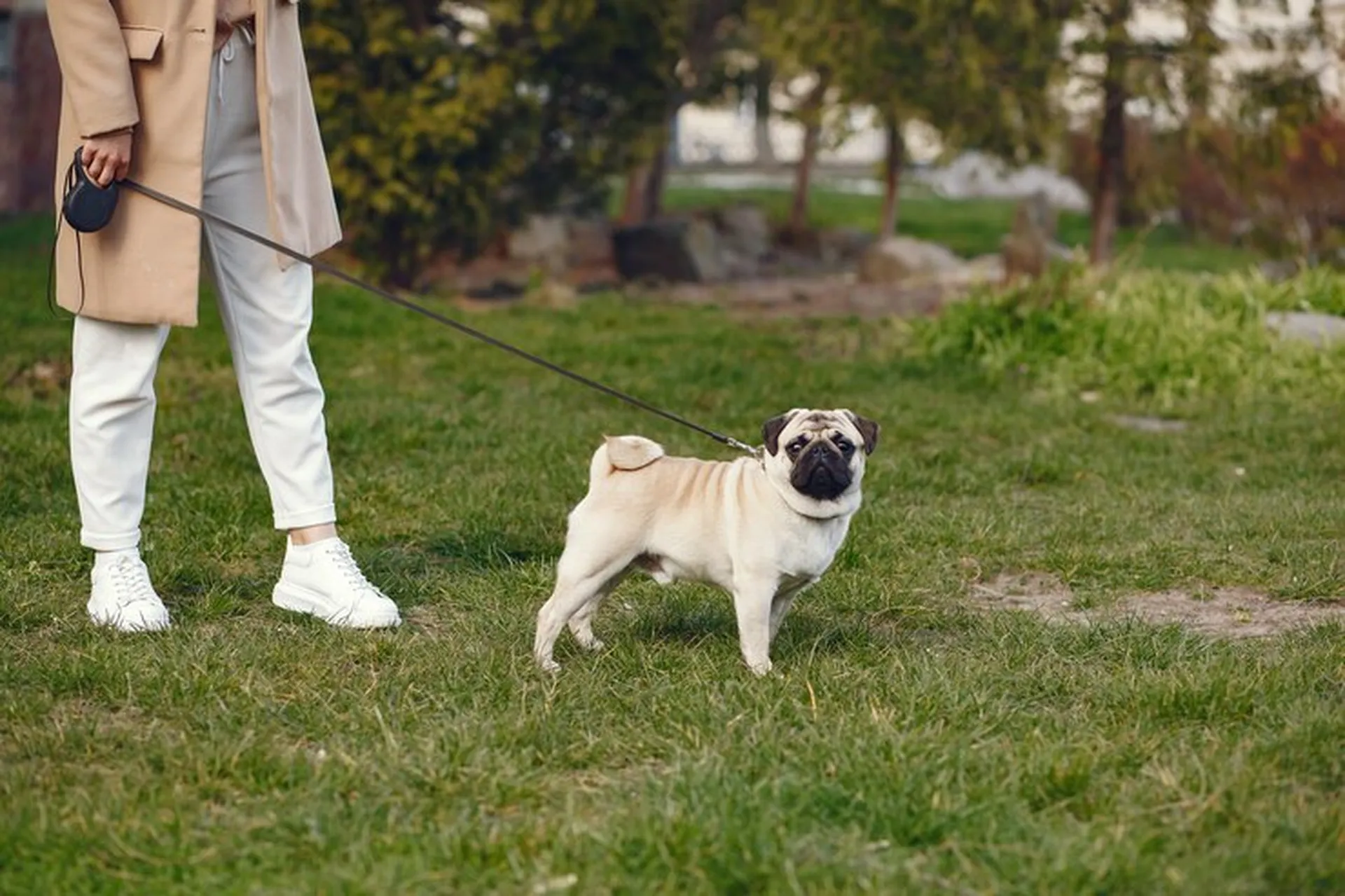
Hello neighbors! Happy summer! As some of you may notice, my husband and I are avid dog walkers. We walk year-round (because we have to, not because we necessarily want to in the winter!). We love seeing the increase in the number of walkers as the weather warms, but I’m dismayed by the increase in the amount of dog poop left in the neighborhood. Let’s face it, stuff happens. Dogs poop. It’s one of the reasons we walk them, right? However, dog poop is more than annoyance to the owner of the yard (or sidewalk…gross!) where it’s deposited.
Dogs can carry a plethora of “zoonotic” diseases in their feces. Zoonotic means able to be spread from animal to humans. So, you and I can get disease from the feces, and our kids can too. Children are especially susceptible to diseases through “fecal oral contact”. They aren’t necessarily stellar at washing their hands before putting them in their mouths. So, they pick up a bit of the feces on their hands when playing in the yard and then put their hands in their mouths. Sad but true.
Intestinal parasites like roundworms, hookworms, whipworms and Giardia are fairly common examples of parasites spread in feces. There are numerous infections with various parasitic organisms each year in the U.S.
Here’s an interesting fact list from the CDC:
Parasitic infections affect millions of people in the United States every year.
- Each year at least 70 people, most of them children, are blinded by the parasite that causes Toxocariasis (roundworms)
- More than 60 million persons are chronically infected with Toxoplasma gondii.
- Anything that comes into contact with feces (poop) from infected humans or animals can become contaminated with the Giardia parasite
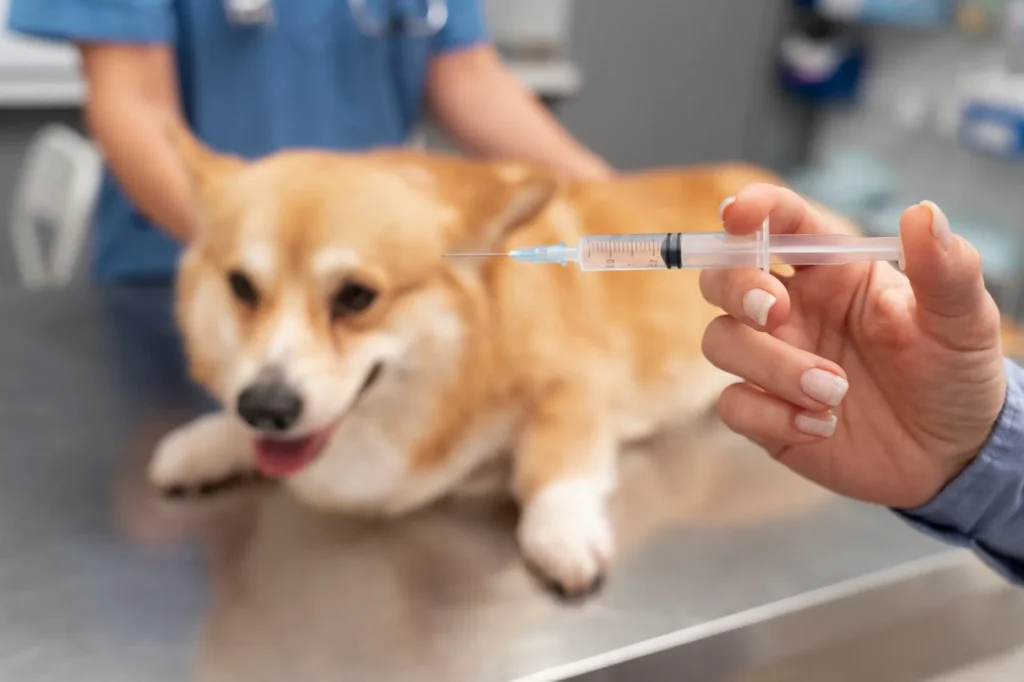
All dogs should be kept on year-round, broad-spectrum parasite control. These preventatives give our canine patients a monthly dewormer to help with many of these infections. If your veterinarian asks for a fecal sample, it means that we are looking for other infections that aren’t necessarily covered by routine dewormers. I promise there is a reason we ask for fecal samples…it’s not just for fun.
Cats can be culprits as well. So, for those of you with outdoor cats, routine deworming and year- round, broad-spectrum parasite control is a must not only to protect your cat, but to protect your neighbors as well.
Let’s all do our part to be good neighbors and protect the health of our community. Please pick up after your furry friends! Besides, it’s just gross!